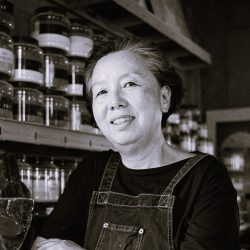
KIM Kira, who studied glass at the Rhode Island School of Design, has played a pivotal role in introducing American studio glass—originating from the United States—to Korea. Since 2005, she has been actively engaged on the international stage as the only Korean member of the board of the Glass Art Society (GAS), contributing significantly to the global expansion of Korean glass art as a first-generation Korean glass artist.
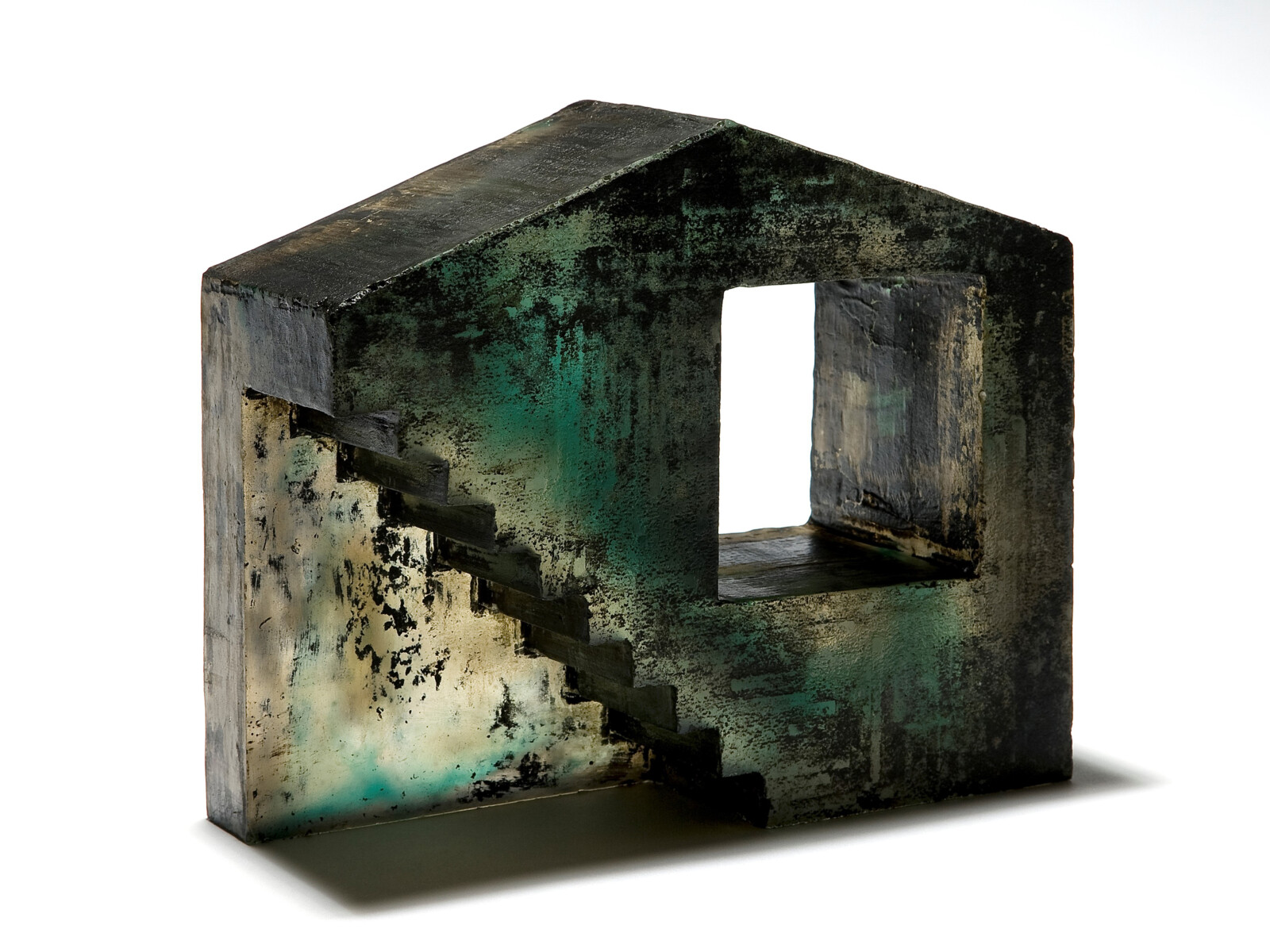
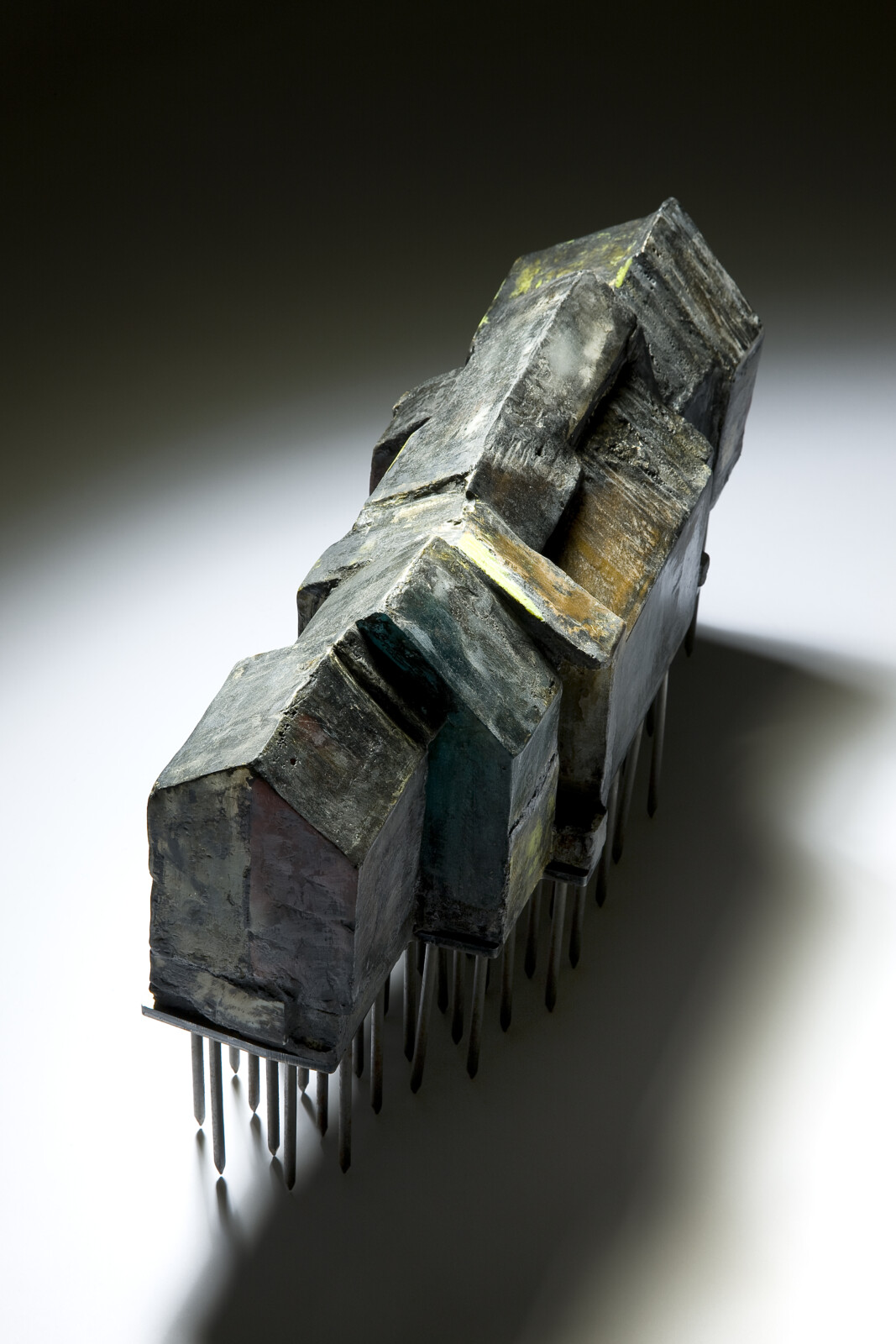
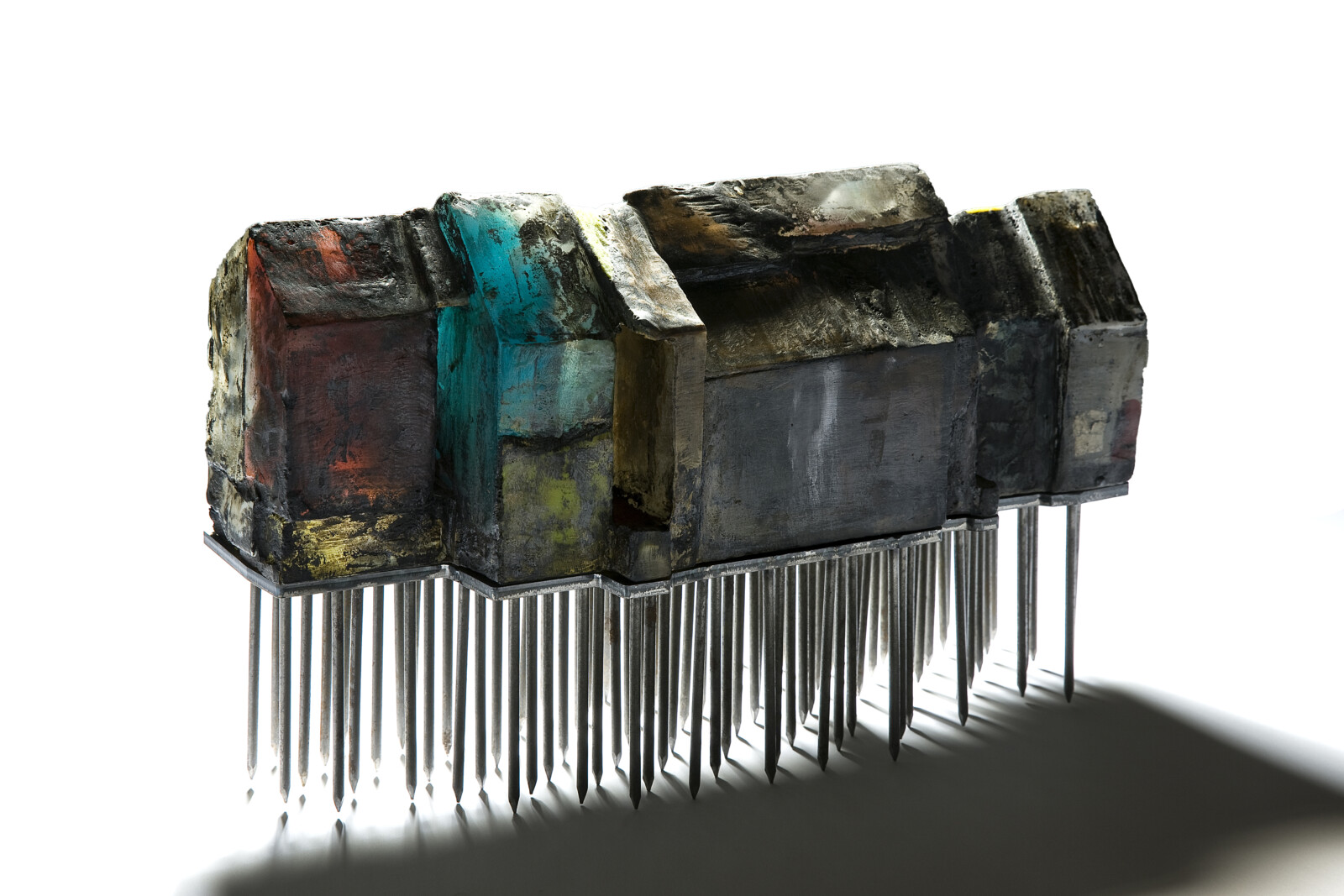
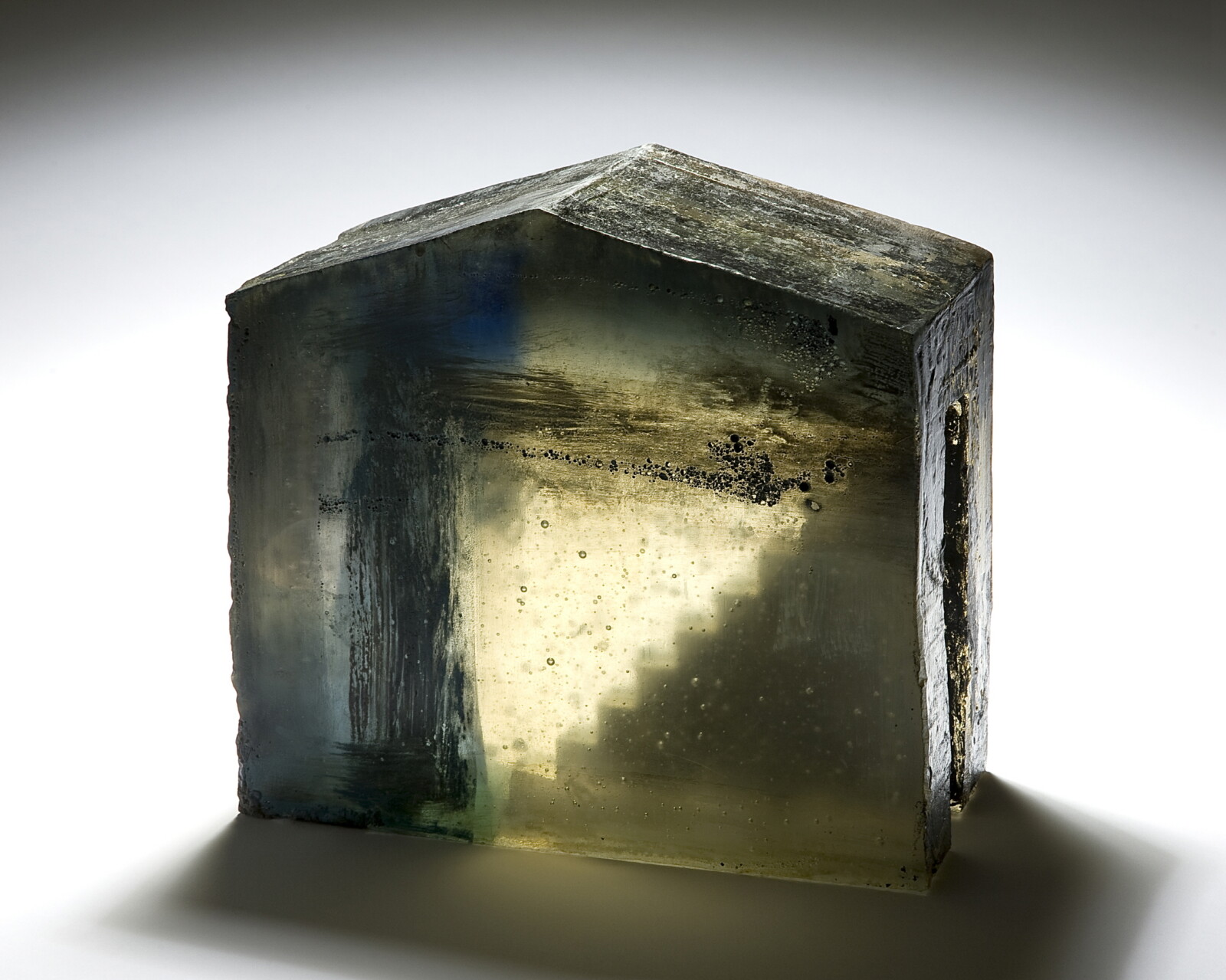
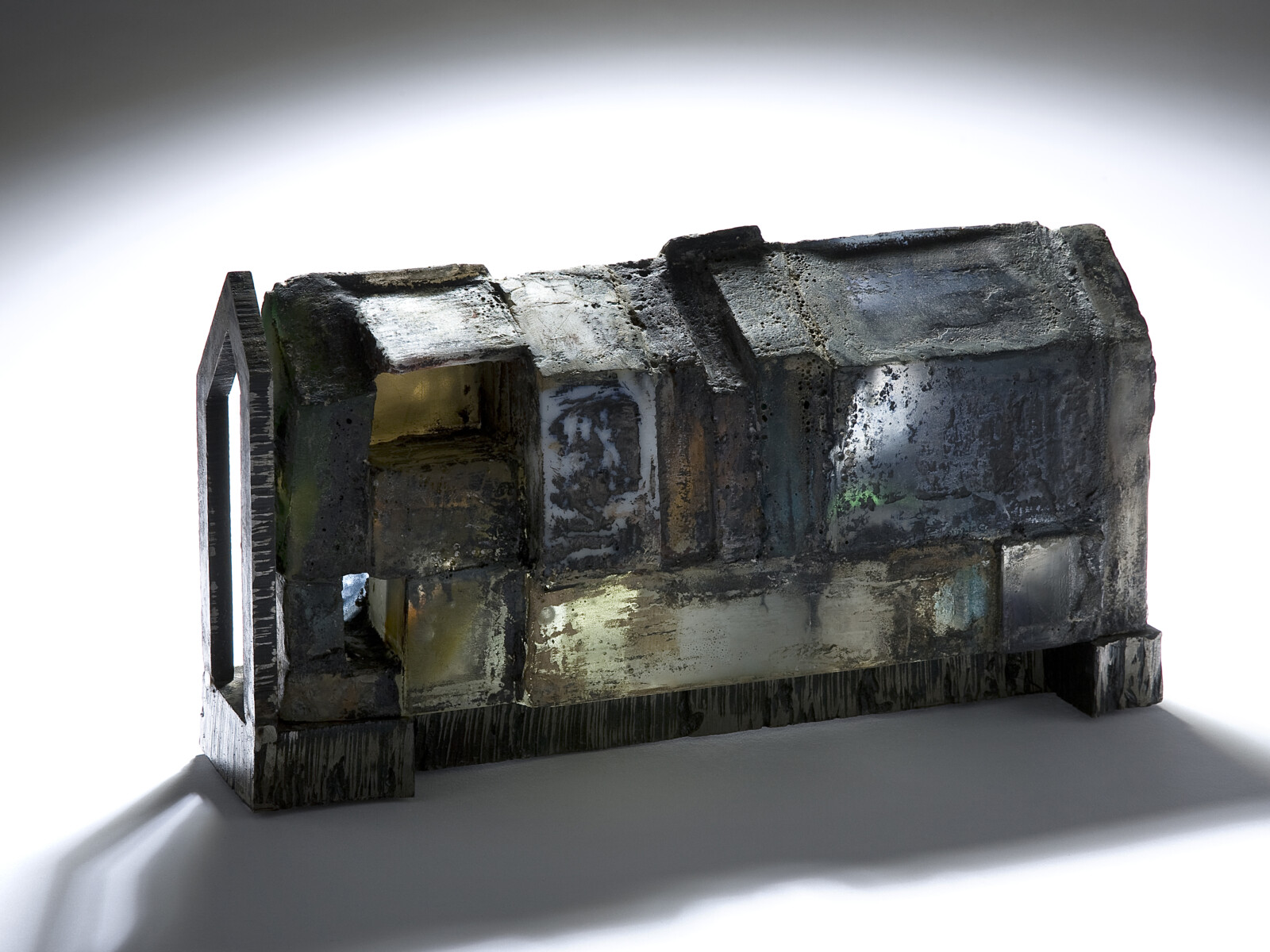
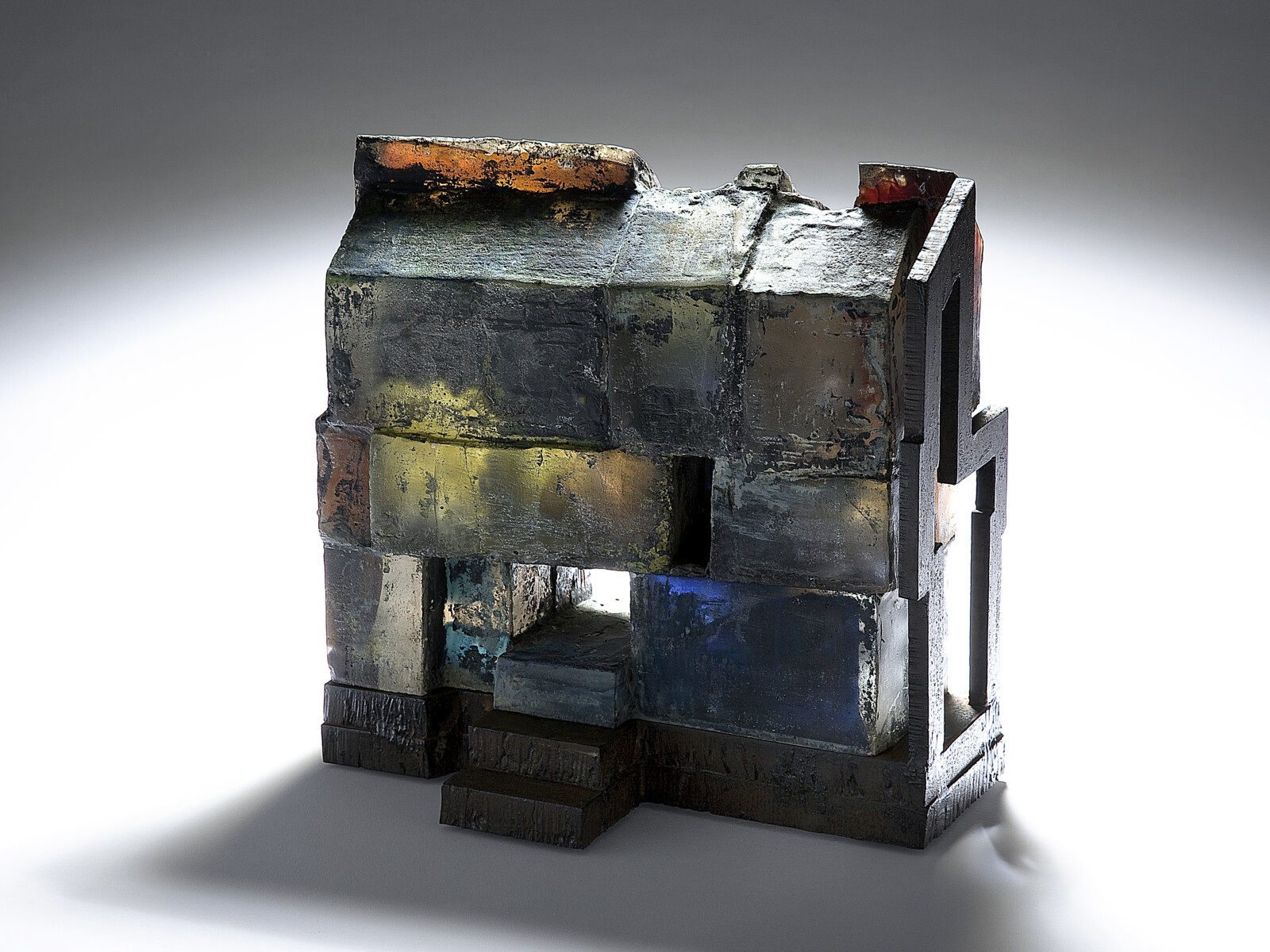
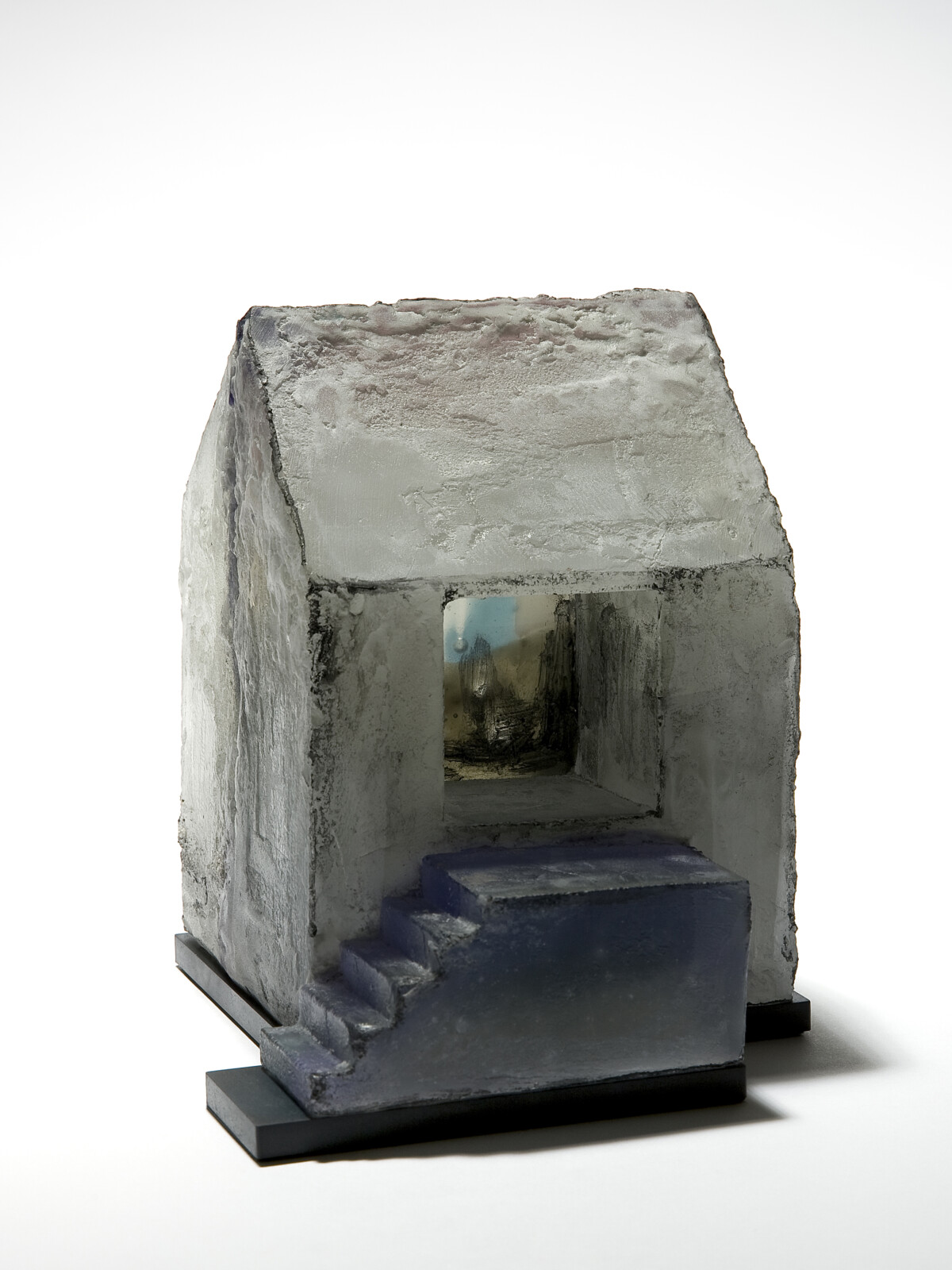
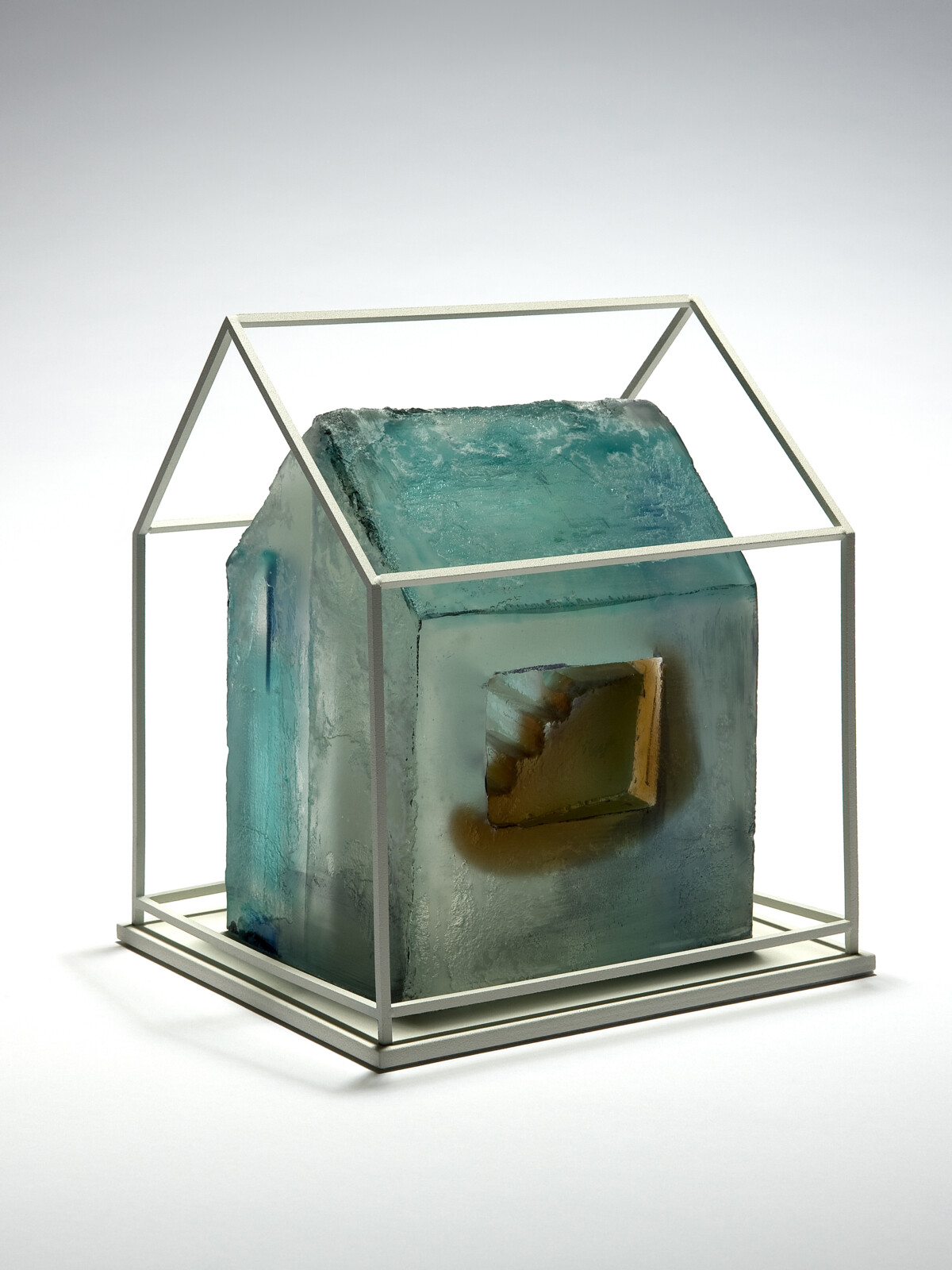
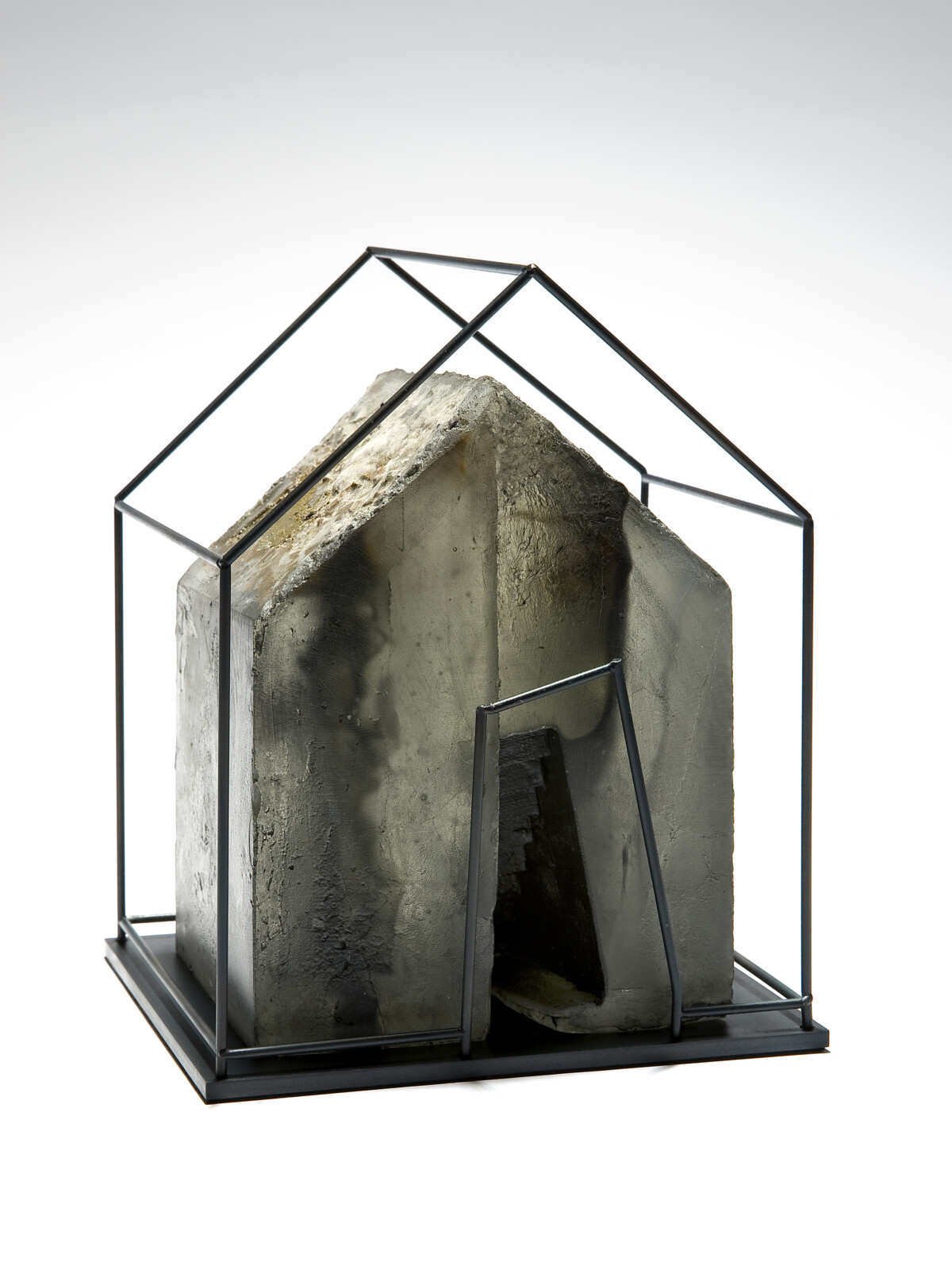
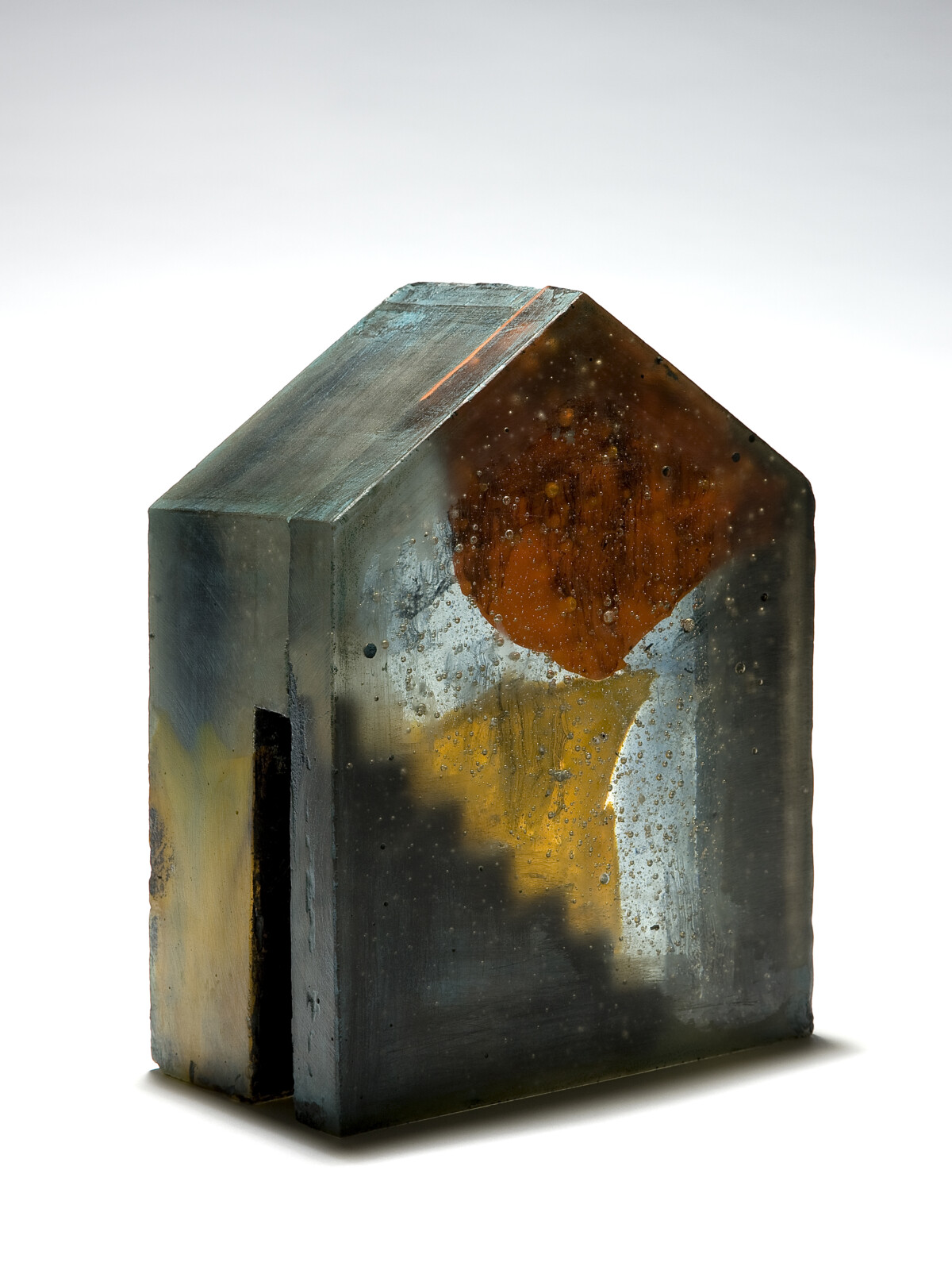
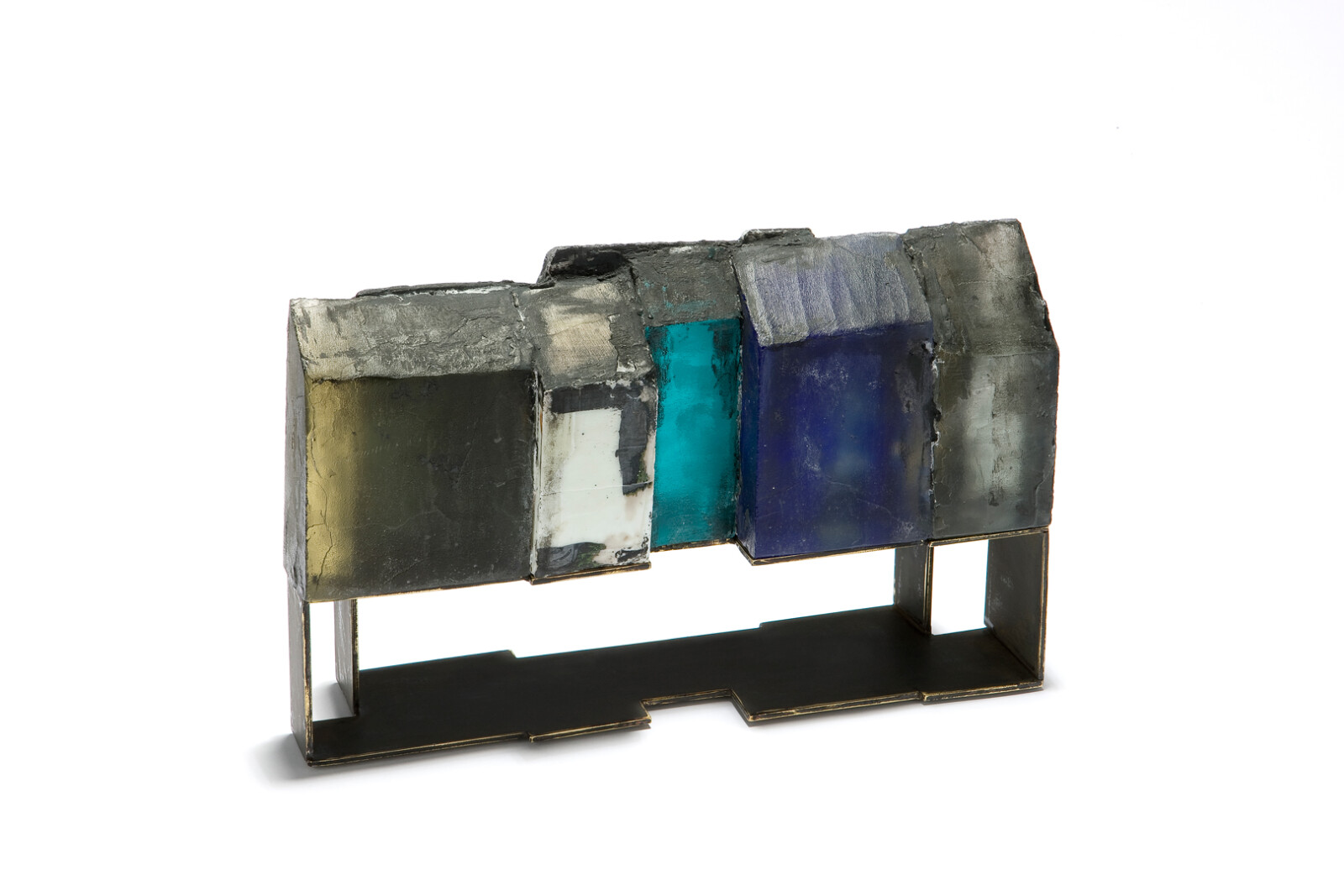
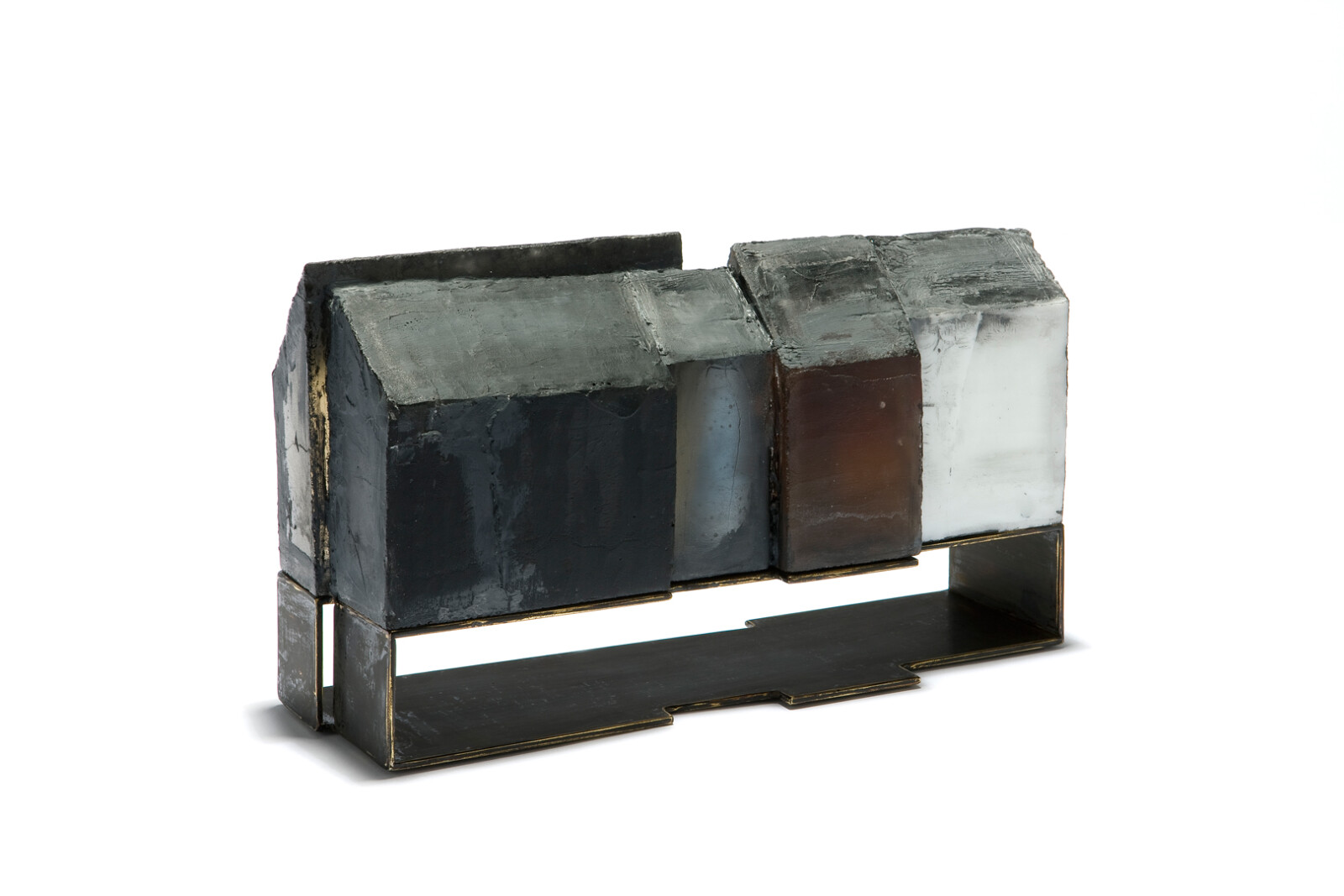
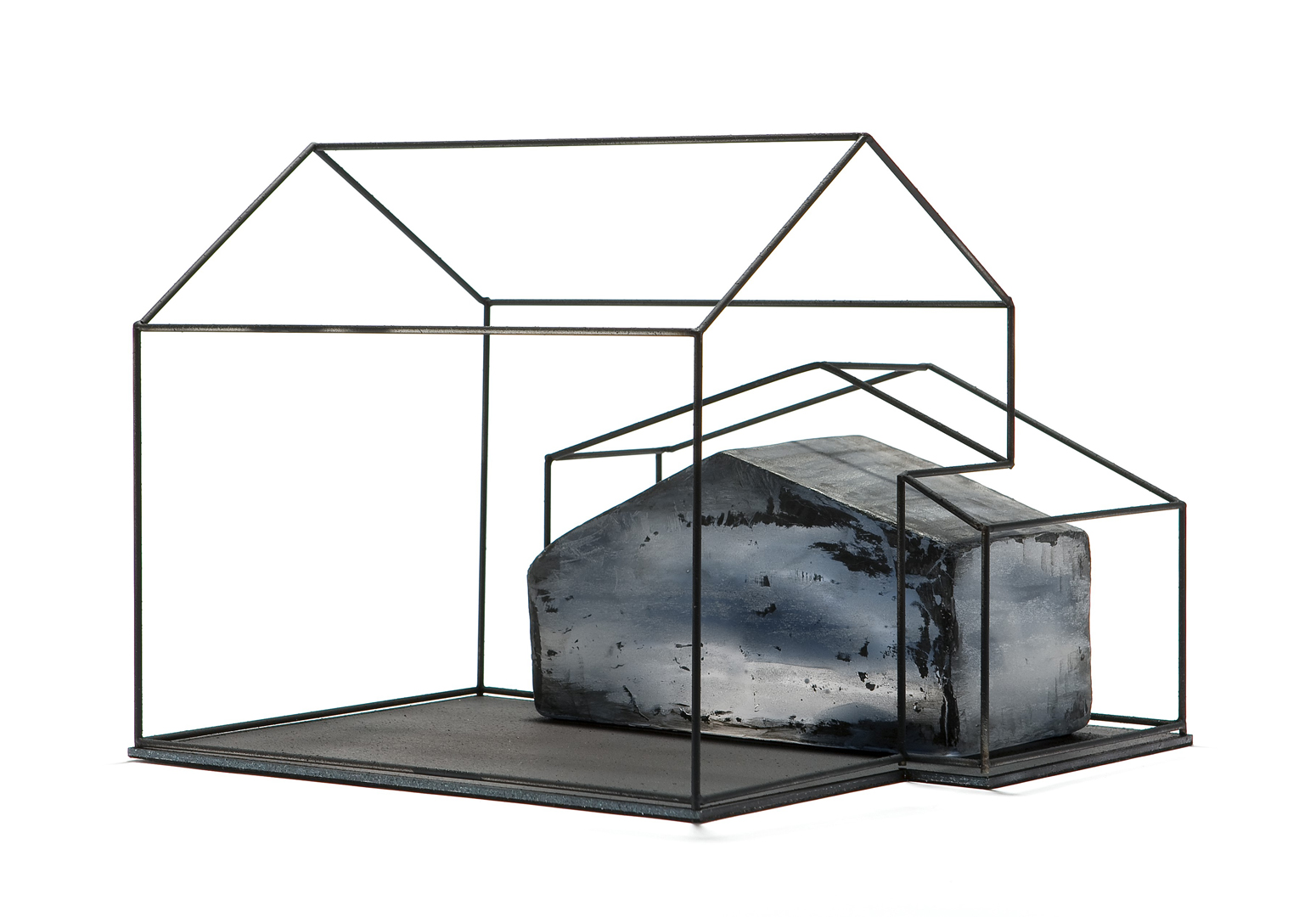
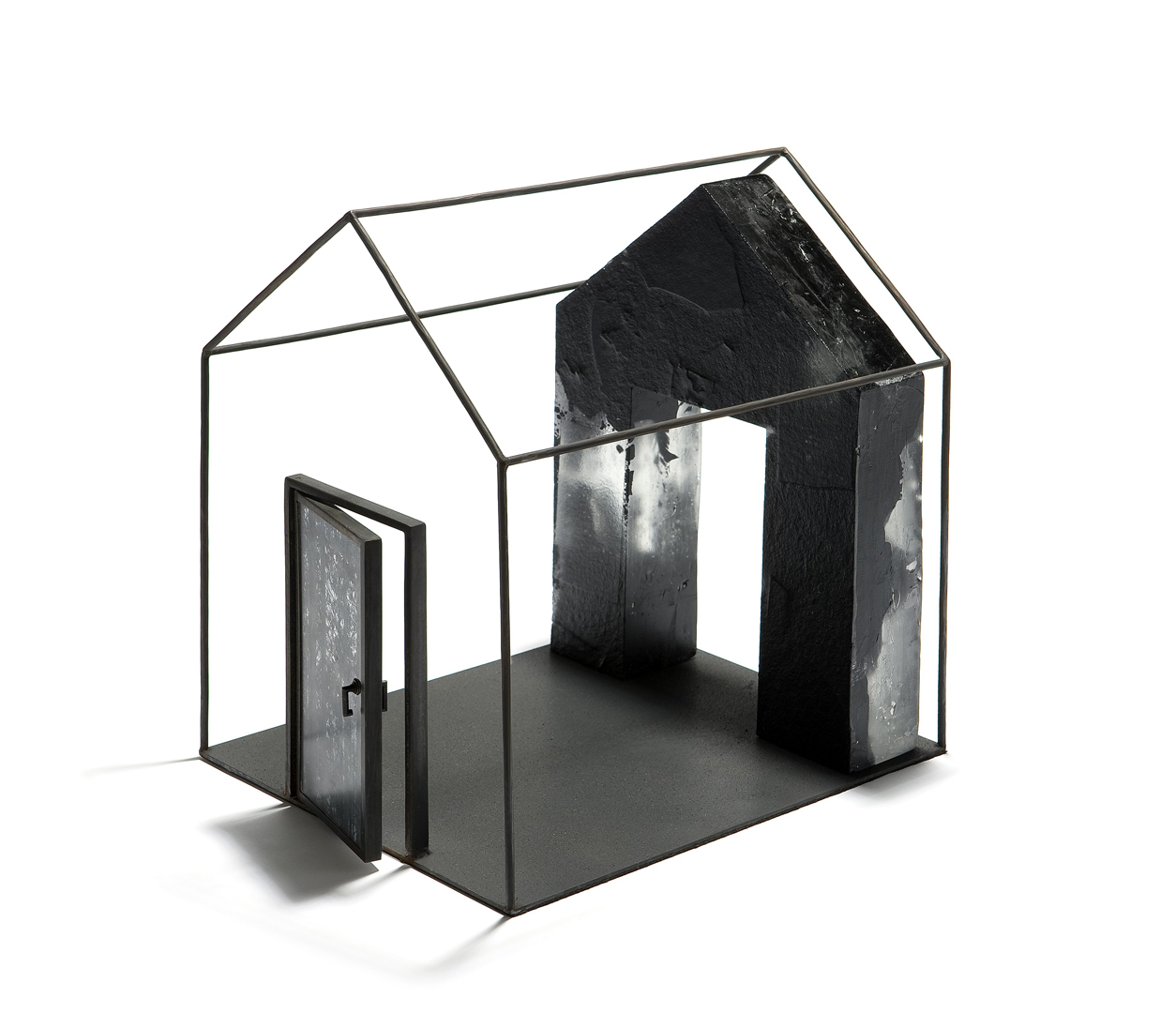
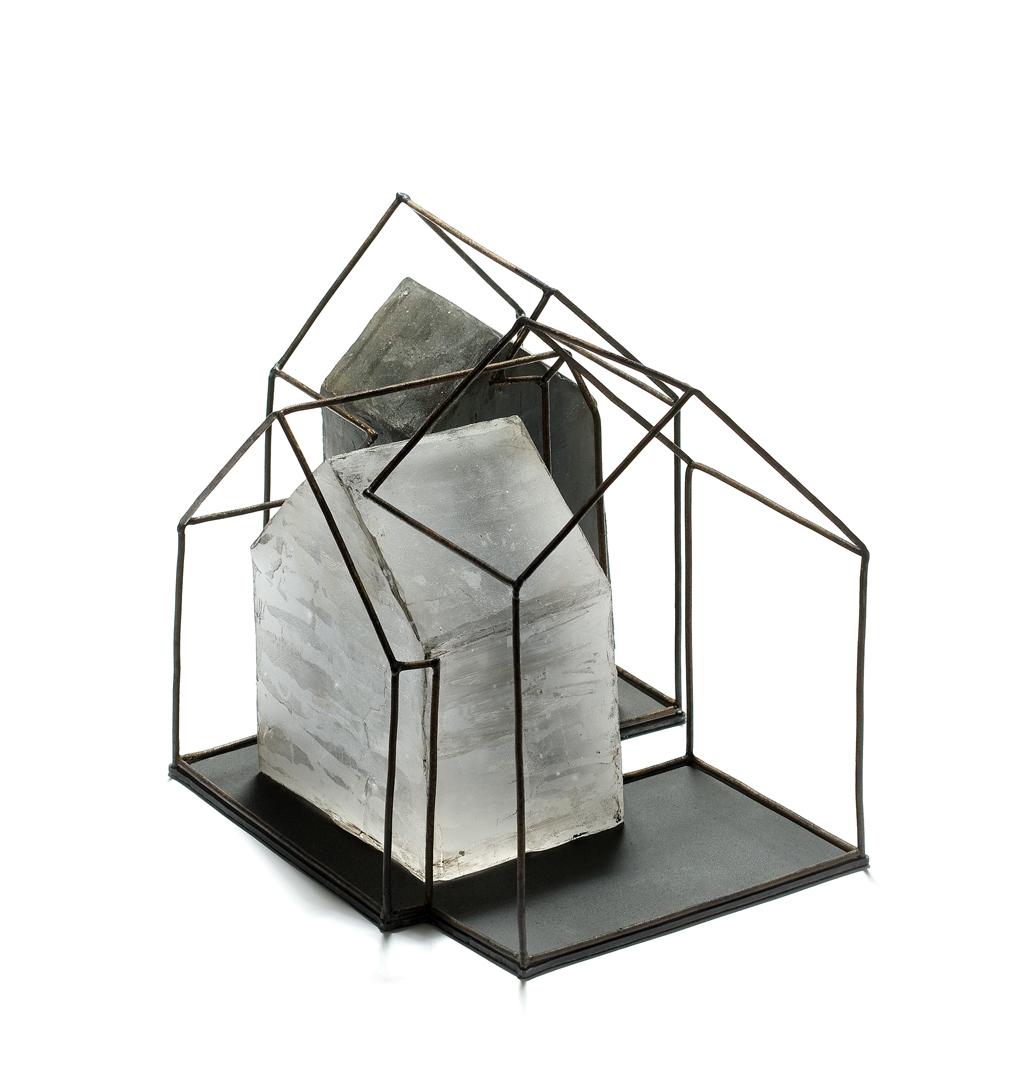
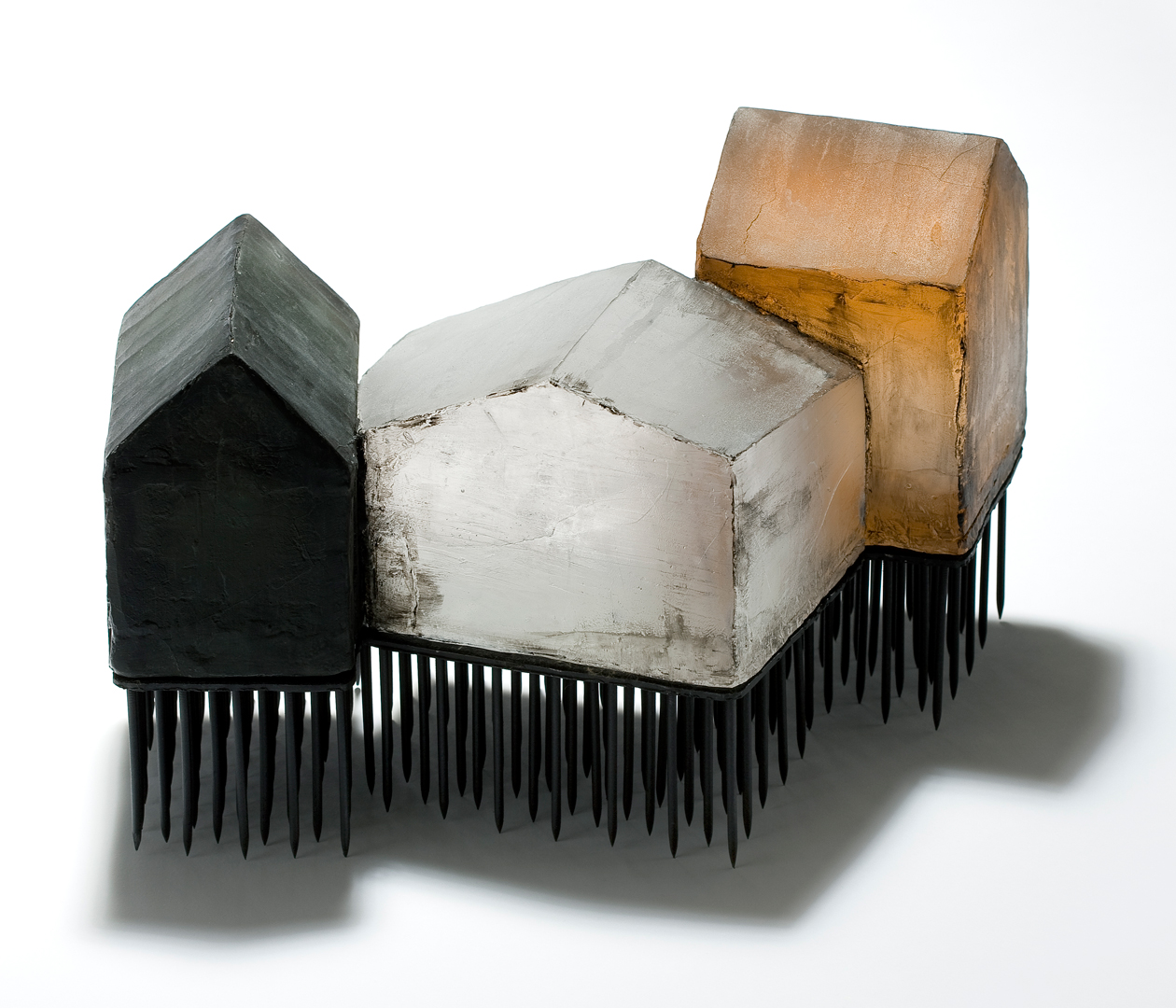
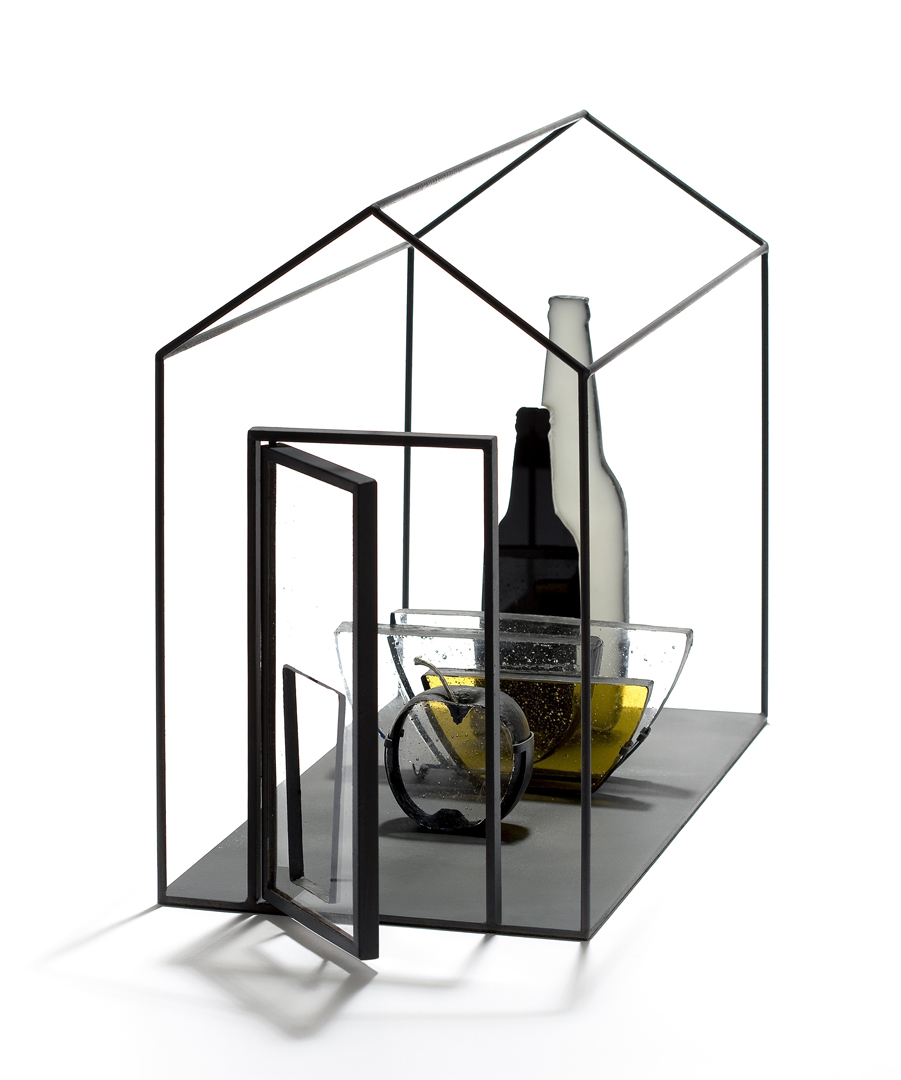
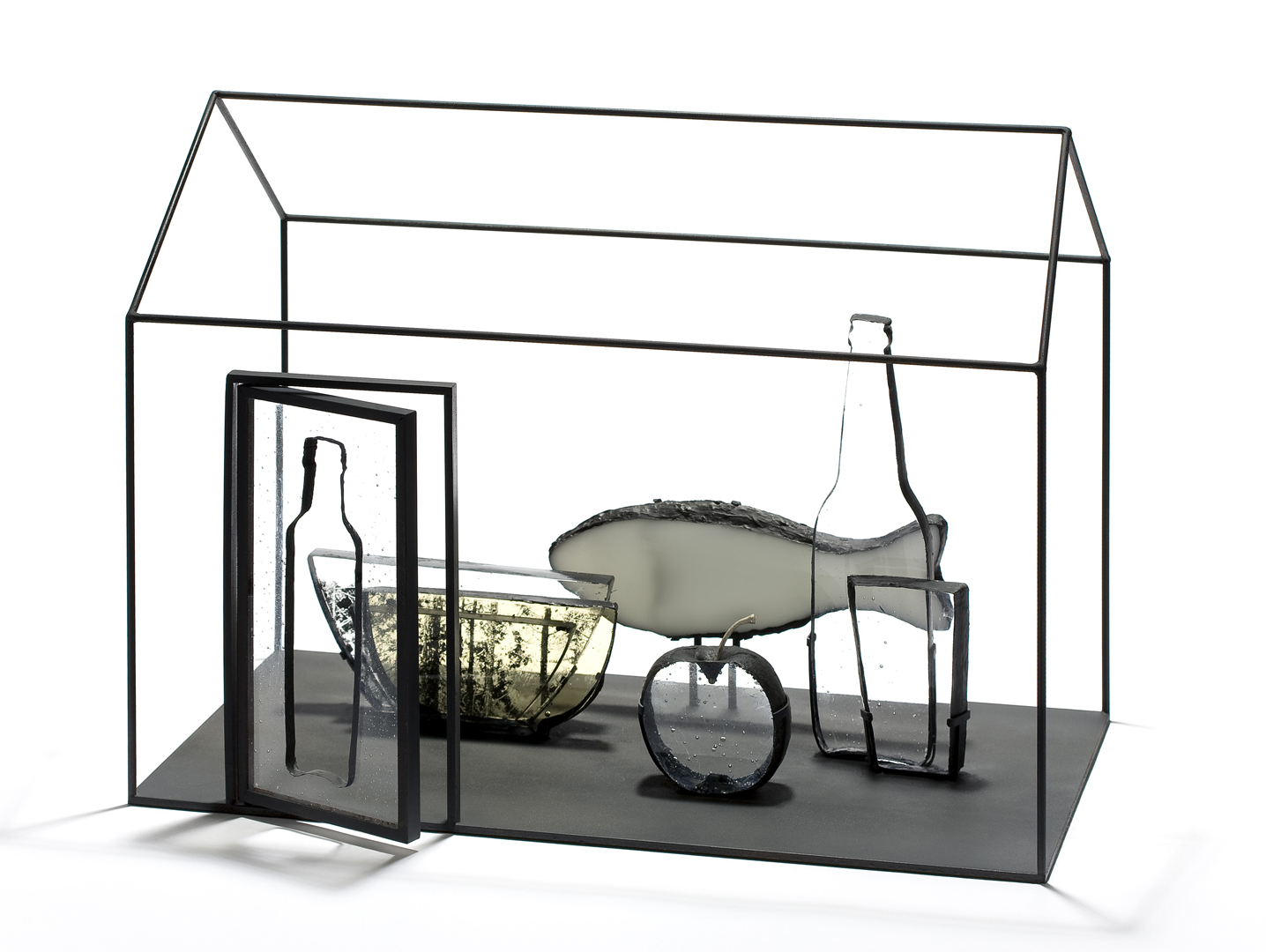
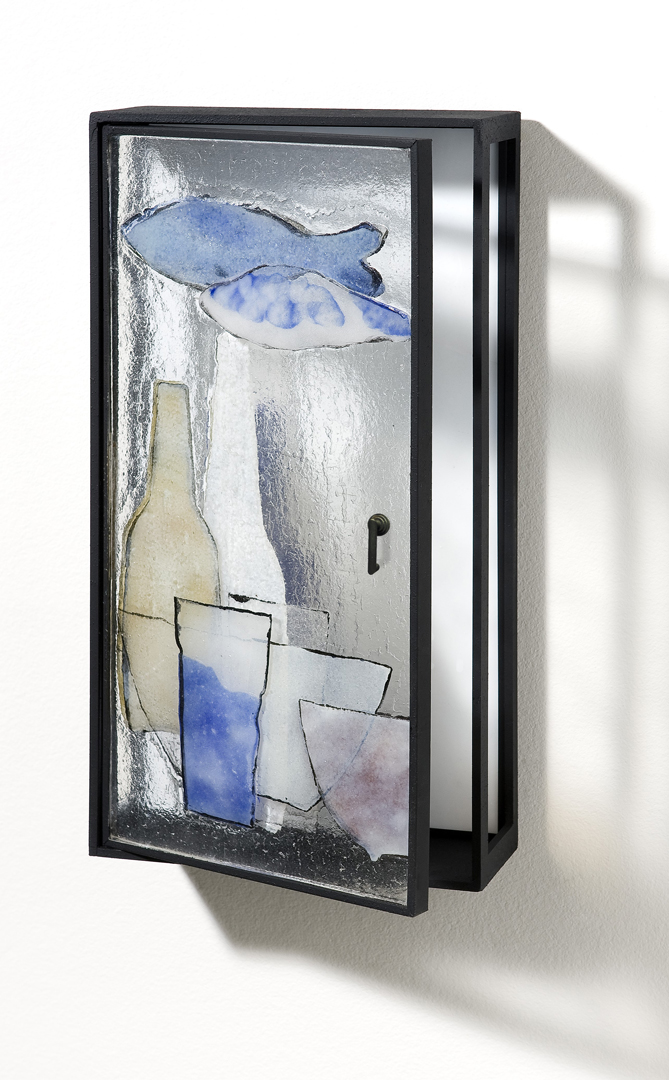
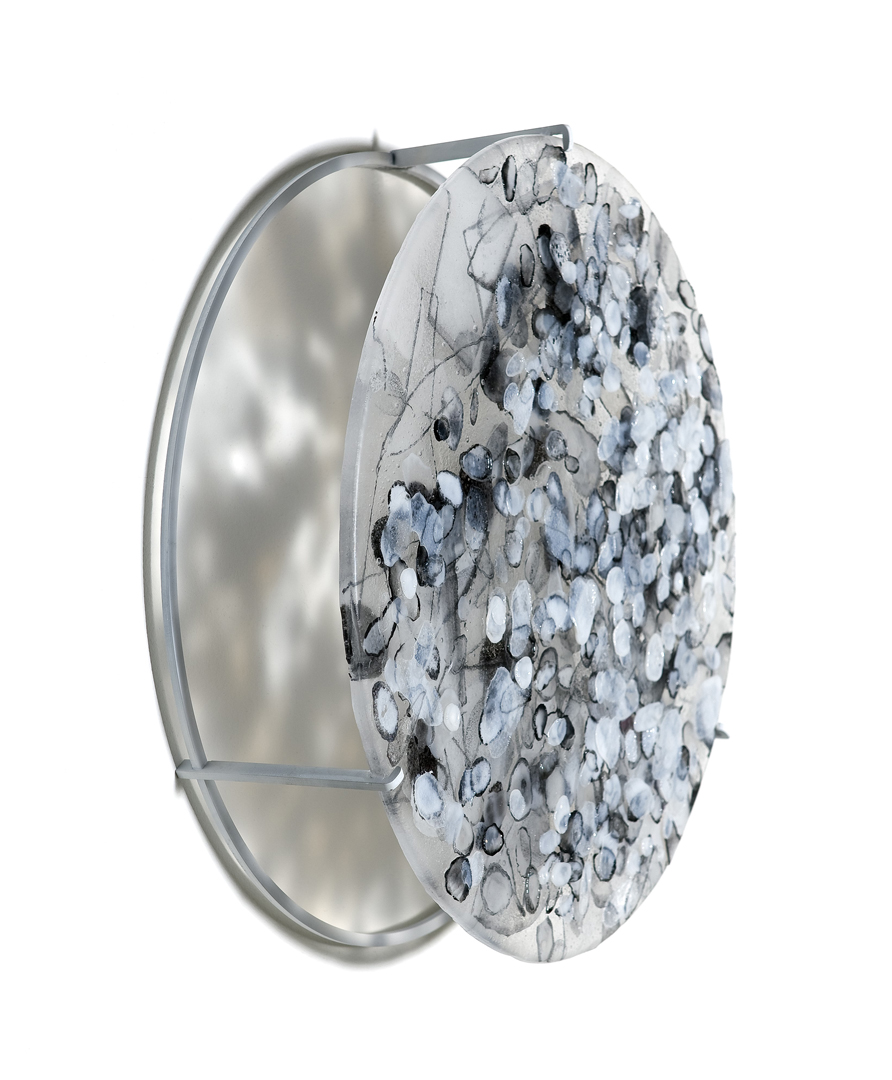
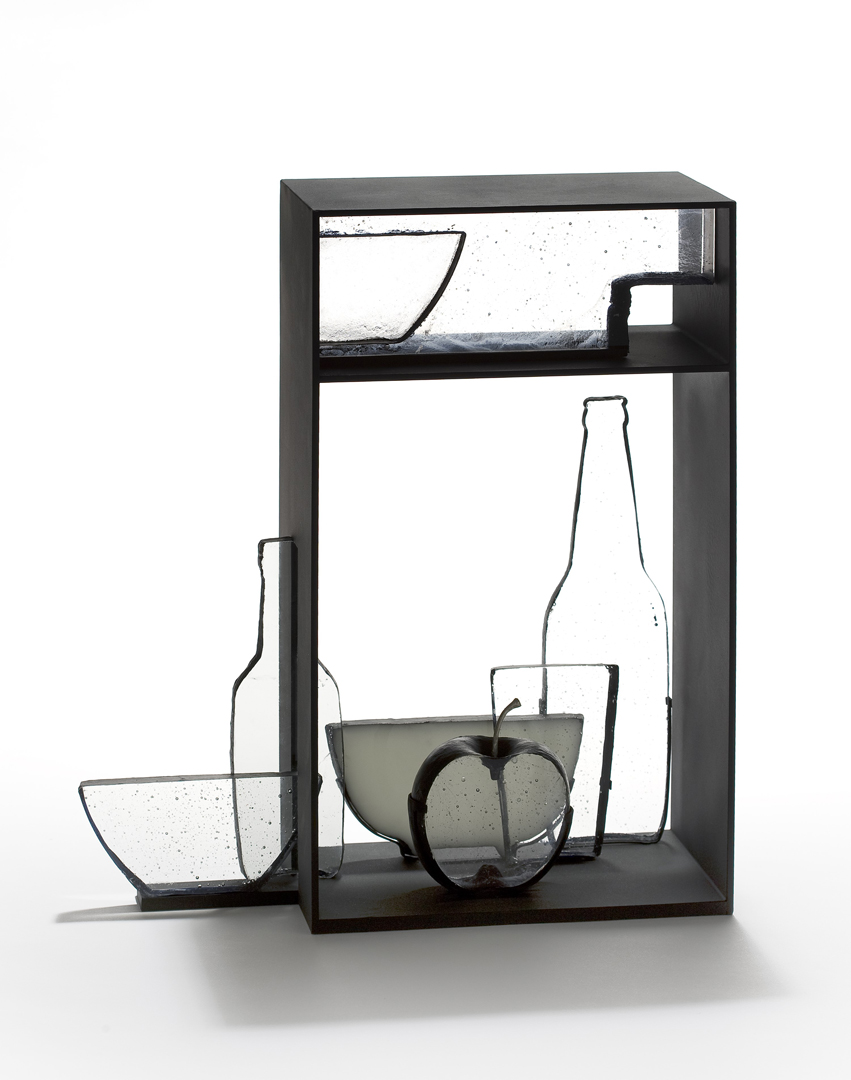
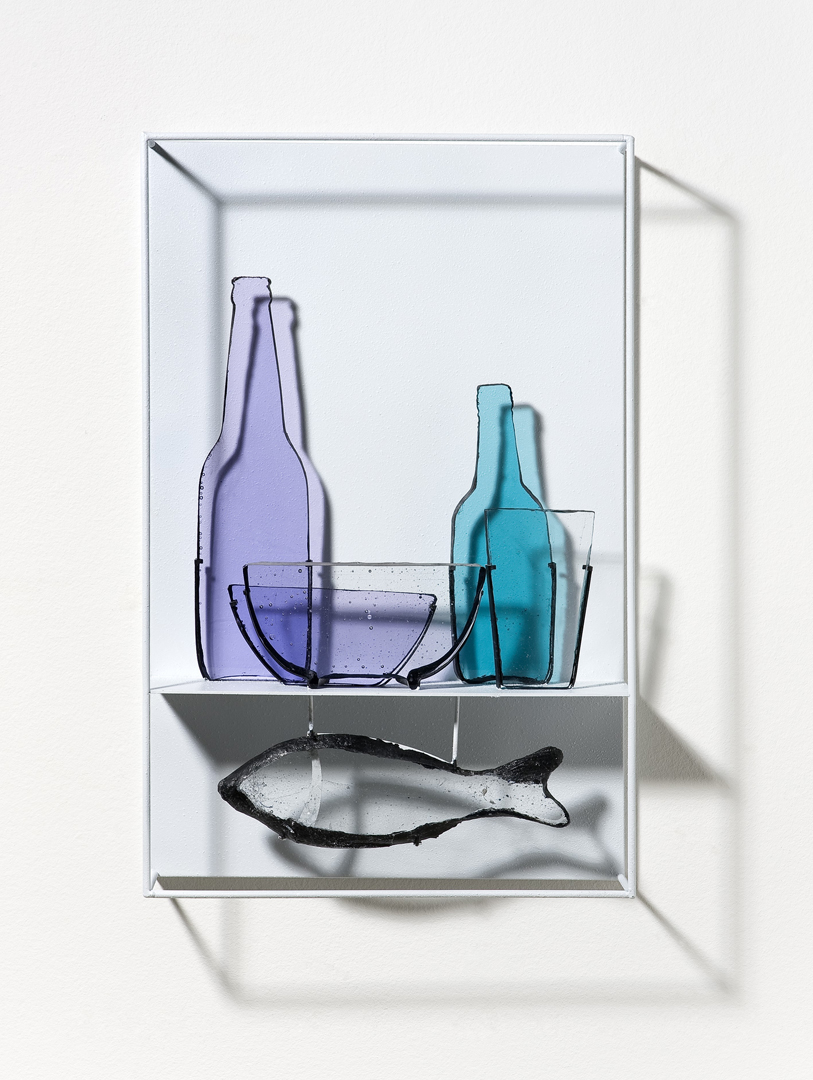
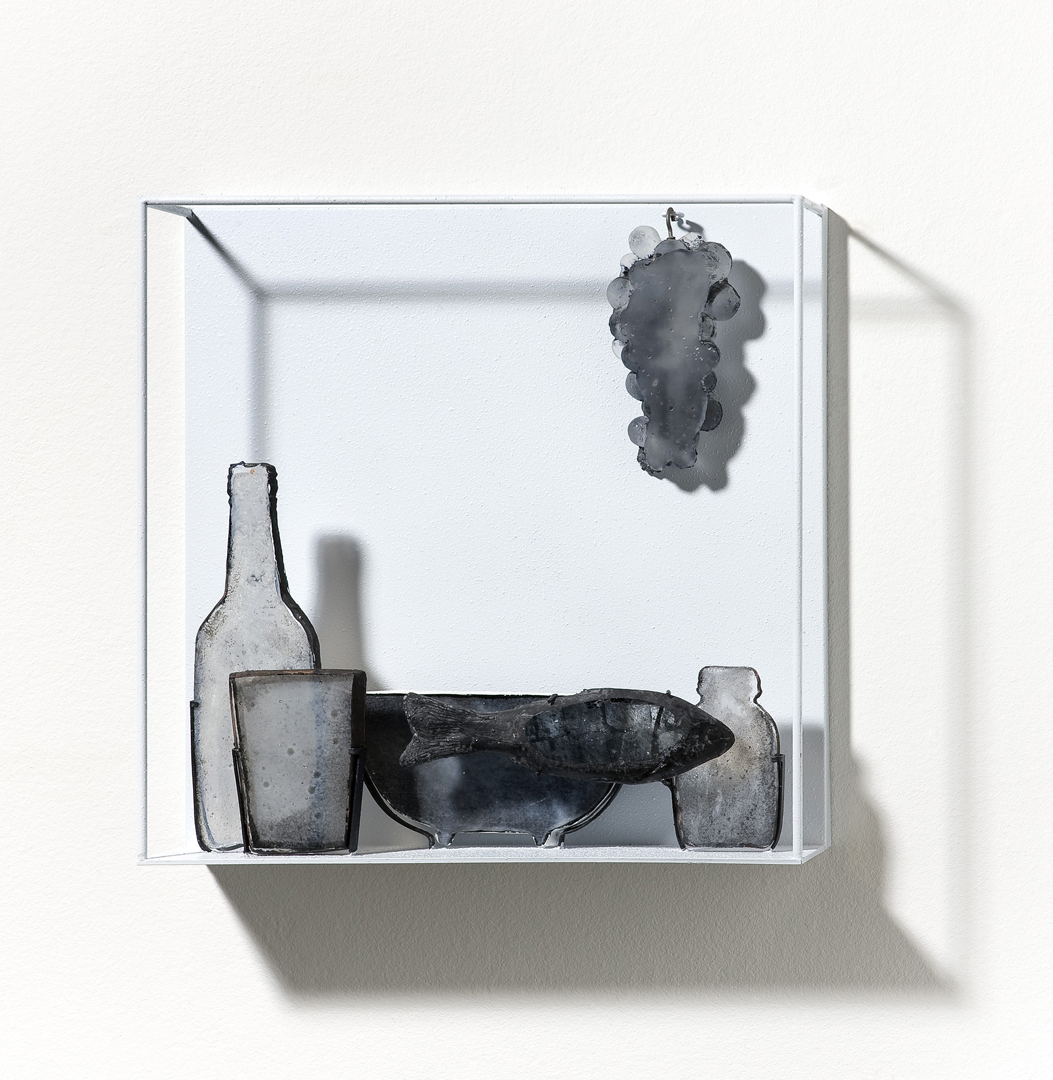
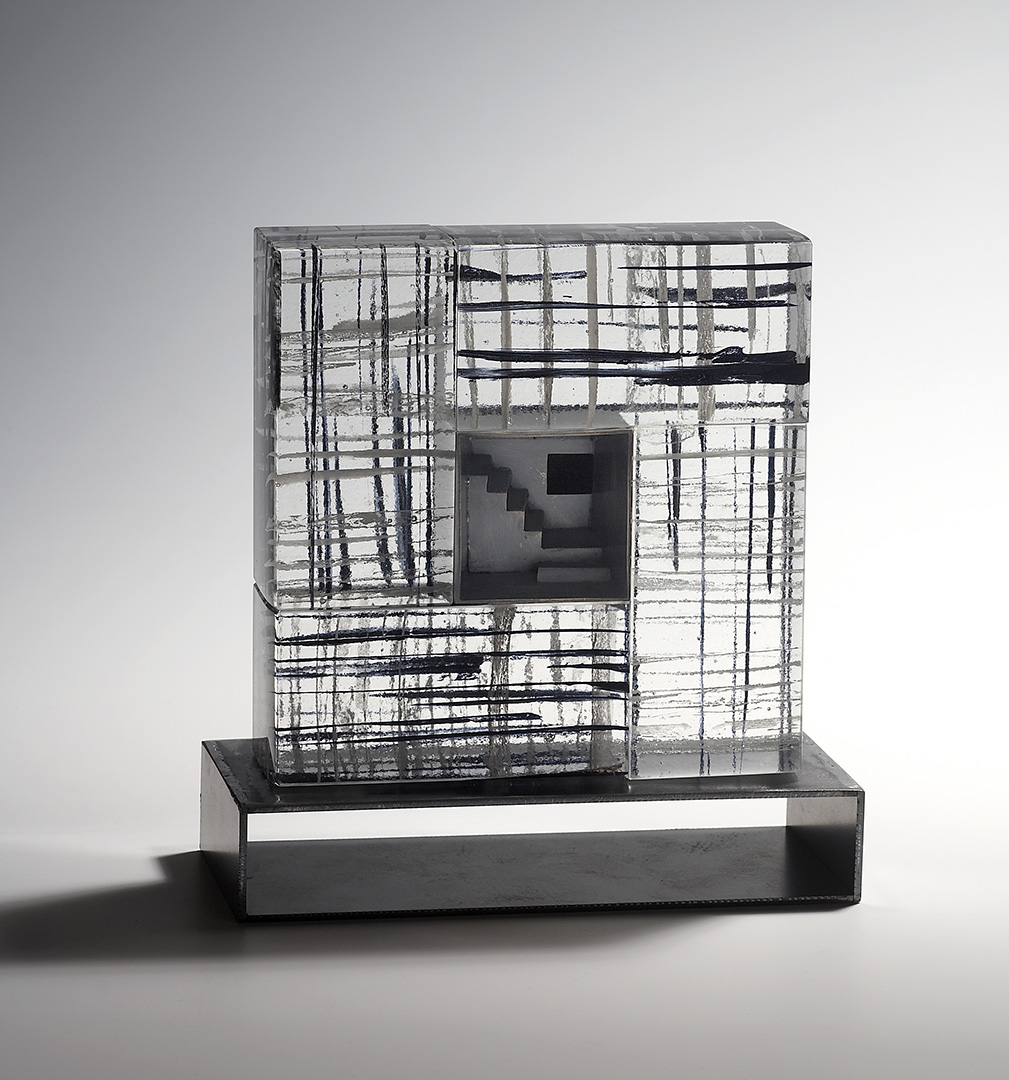
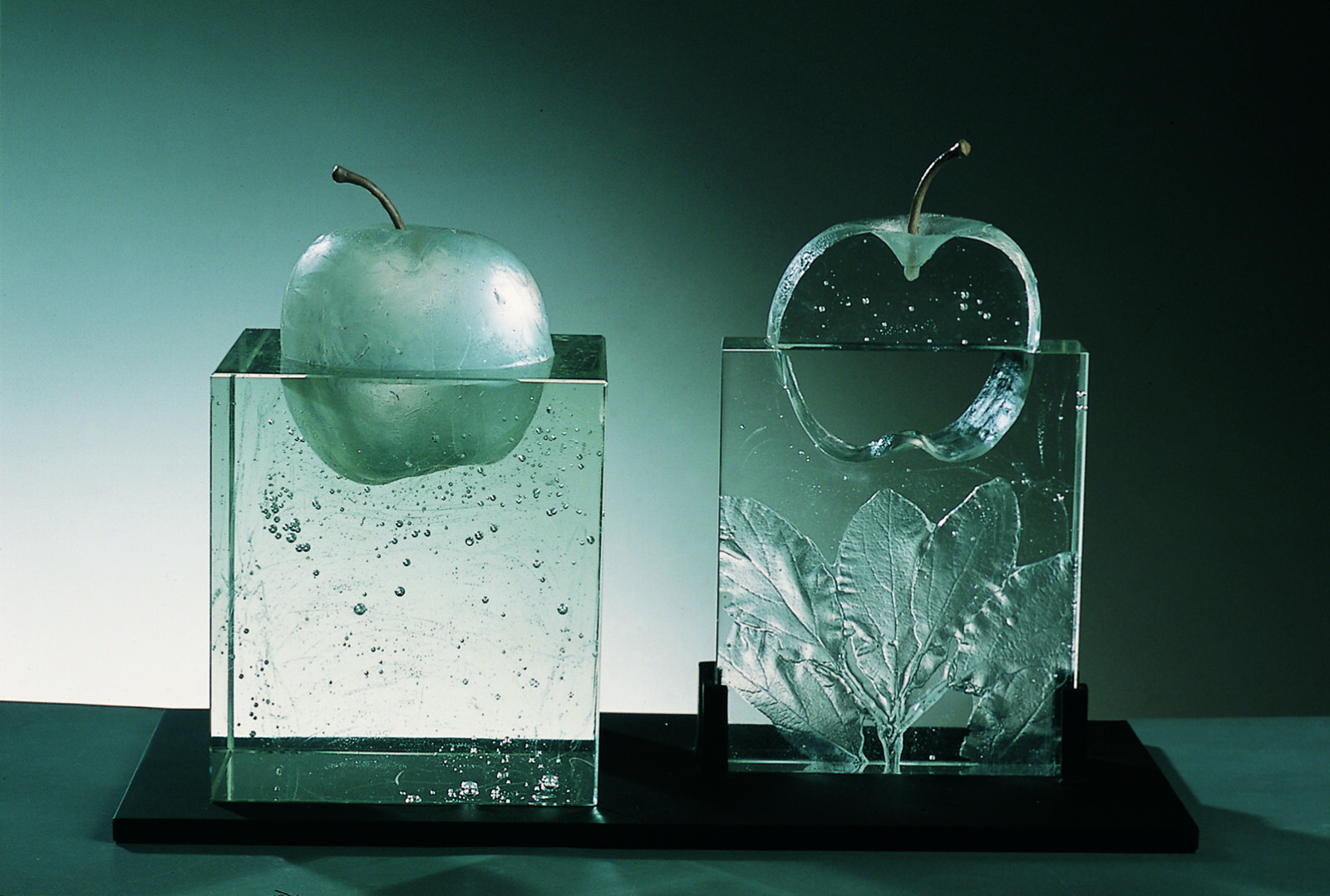
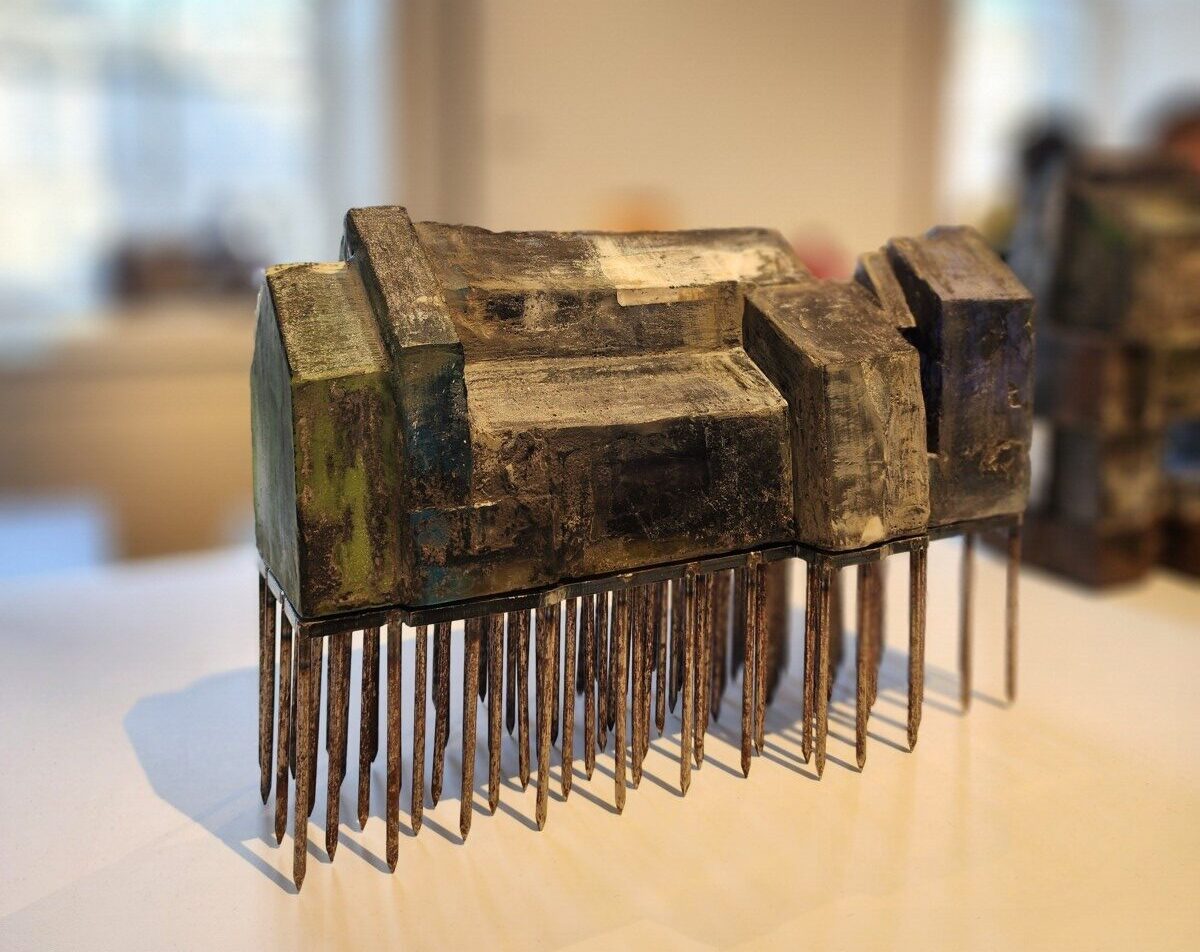
Grounded in her academic background in ceramics, KIM Kira has developed a distinctive artistic language that integrates painterly surfaces with sculptural structures in glass. By thermally fusing cast glass blocks, she creates layered compositions that evoke the textures of glaze and lacquer, revealing both the transparency and opacity inherent to the material. Architectural elements such as houses, windows, and staircases recur throughout her work, functioning as symbolic devices that reflect memory and interior space. Through cubist compositions and stratified structures, her works generate a sense of spatial and temporal simultaneity. In this context, glass transcends its role as a material, operating as a medium that mediates between painting and sculpture.
KIM Kira has exhibited at major international institutions including the Toyama Glass Art Museum, Alexander Tutsek-Stiftung, and Palais de Tokyo. In 2024, she was selected as a finalist for the Loewe Foundation Craft Prize, further solidifying her international recognition. Her works are held in prominent collections such as the Seoul Museum of Craft Art, the National Museum of Modern and Contemporary Art (MMCA), and the Alexander Tutsek-Stiftung. She continues her practice as a full-time artist, pursuing ongoing material experimentation.
“Through my work, I seek to metaphorically express reflections on everyday life using ordinary objects. Themes such as my own life, the loss of loved ones, and experiences in nature are interwoven into my practice. I am particularly interested in the inherent dualities of existence—visible and invisible, momentary and eternal, fullness and emptiness, light and darkness, strength and fragility—and I explore these relationships through the material properties of glass, including its transparency, translucency, and opacity. By approaching objects from a non-ordinary, cubistic perspective, I aim to engage with fundamental questions. The imaginative visions that emerge during the drawing process, as well as the outcomes encountered in translating them into three-dimensional forms, continue to fascinate me. While my work in the mid-1980s and 1990s pursued fluidity through the rearrangement of objects from a cubistic viewpoint, since the 2000s I have reflected more deeply on my cultural identity as a Korean glass artist, seeking to integrate the tonal gradation and linear qualities of ink painting into the transparent imagery of glass.”